
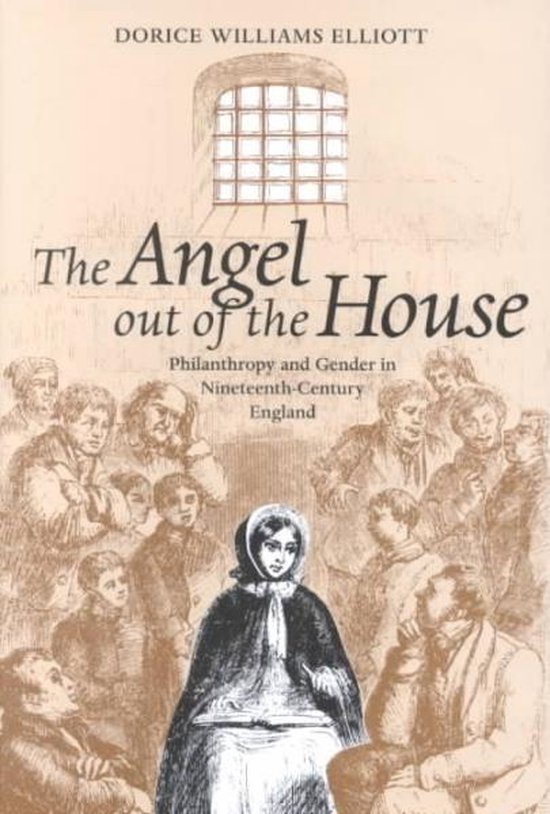
The Angel Out of the House
Dorice Williams Elliott
- 01 maart 2002
- 9780813922010
Samenvatting:
Was nineteenth-century British philanthropy the "truest and noblest woman's work" and praiseworthy for having raised the nation's moral tone, or was it a dangerous mission likely to cause the defeminization of its practitioners as they became "public persons"? In Victorian England, women's participation in volunteer work seemed to be a natural extension of their domestic role, but like many other assumptions about gender roles, the connection between charitable and domestic work is the result of specific historical factors and cultural representations. Proponents of women as charitable workers encouraged philanthropy as being ideal work for a woman, while opponents feared the practice was destined to lead to overly ambitious and manly behavior.
In The Angel out of the House Dorice Williams Elliott examines the ways in which novels and other texts that portrayed women performing charitable acts helped to make the inclusion of philanthropic work in the domestic sphere seem natural and obvious. And although many scholars have dismissed women's volunteer endeavors as merely patriarchal collusion, Elliott argues that the conjunction of novelistic and philanthropic discourse in the works of women writers-among them George Eliot and Elizabeth Gaskell, Hannah More and Anna Jameson-was crucial to the redefinition of gender roles and class relations.
In a fascinating study of how literary works contribute to cultural and historical change, Elliott's exploration of philanthropic discourse in nineteenth-century literature demonstrates just how essential that forum was in changing accepted definitions of women and social relations.