
BASEES/Routledge Series on Russian and East European Studies ...
Balazs Szent-Ivanyi
- 17 april 2015
- 9781136010644
Samenvatting:
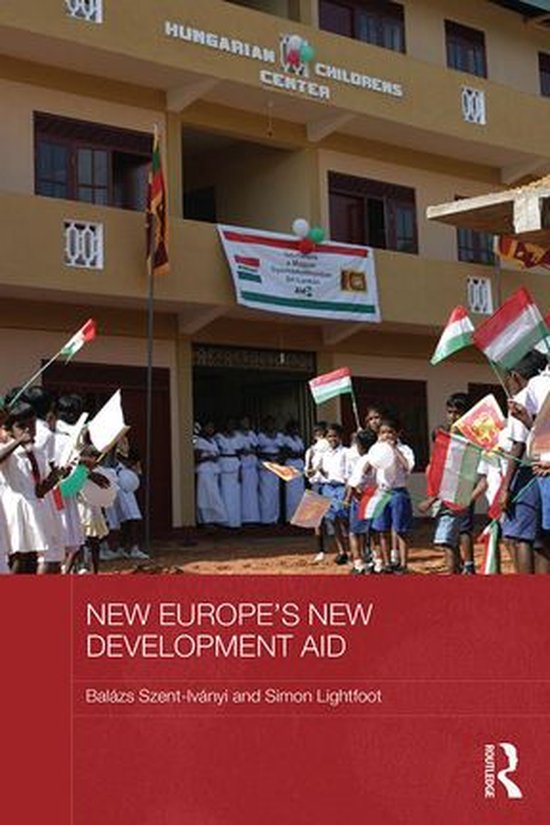
This book examines the international development policies of five East Central European new EU member states, the Czech Republic, Hungary, Poland, Slovakia and Slovenia. These countries turned from being aid recipients to donors after the turn of the millennium in the run-up to EU accession in 2004. The book explains the evolution subsequent to EU accession and current state of foreign aid policies in the region and the reasons why these deviate from many of the internationally agreed best practices in development cooperation. It argues that after the turn of the millennium, a 'Global Consensus' has emerged on how to make foreign aid more effective for development. A comparison between the elements of the Global Consensus and the performance of the five countries reveals that while they have generally implemented little of these recommendations, there are also emerging differences between the countries, with the Czech Republic and Slovenia clearly aspiring to become globally responsible donors. Building on the literatures on foreign policy analysis, international socialization and interest group influence, the book develops a model of foreign aid policy making in order to explain the general reluctance of the five countries in implementing international best practices, and also the differences in their relative performance.