
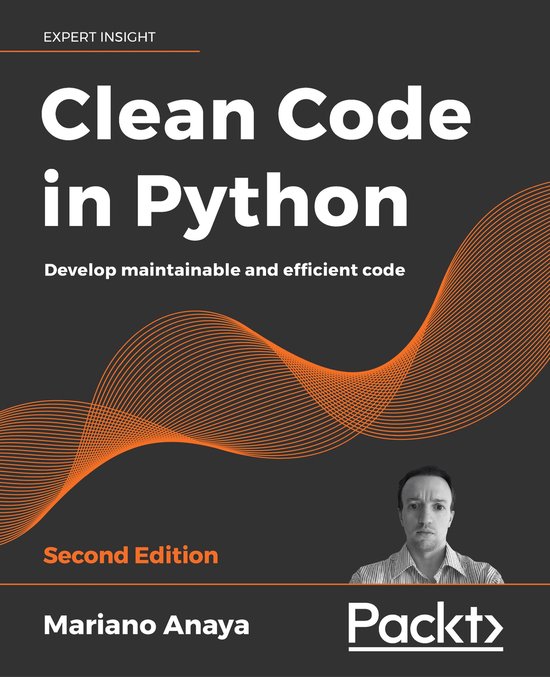
Clean Code in Python
Mariano Anaya
- 06 januari 2021
- 9781800562097
Samenvatting:
Write professional, scalable, and maintainable Python code by applying industry-approved clean coding principles. Learn to refactor, implement SOLID principles, and structure code efficiently using the latest features in Python 3.9
Key Features- Enhance your coding skills using the new features introduced in Python 3.9
- Implement the refactoring techniques and SOLID principles in Python
- Apply microservices to your legacy systems by implementing practical techniques
- Set up a productive development environment by leveraging automatic tools
- Leverage the magic methods in Python to write better code, abstracting complexity away and encapsulating details
- Create advanced object-oriented designs using unique features of Python, such as descriptors
- Eliminate duplicated code by creating powerful abstractions using software engineering principles of object-oriented design
- Create Python-specific solutions using decorators and descriptors
- Refactor code effectively with the help of unit tests
- Build the foundations for solid architecture with a clean code base as its cornerstone
This book is intended for software engineers, team leads, and architects who want to write Pythonic, scalable, and maintainable code. It is ideal for professionals looking to improve code quality, enhance testability, and refactor large-scale projects efficiently. A basic understanding of Python and object-oriented programming is recommended.
€ 30,99
Bestel bij Bol.com >