
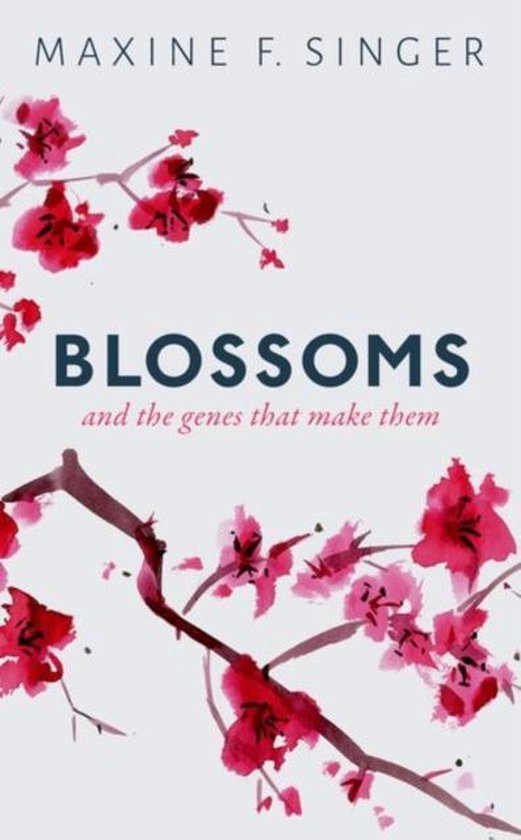
Blossoms
Maxine Singer
- 26 april 2018
- 9780198811138
Samenvatting:
Flowers evolved to attract pollinators, so new generations of plant can form. But how do plants know when to bloom, and how do they construct their flowers? This book describes what we have learnt of the astonishing genetic and epigenetic processes behind the dazzling variety of flower shapes, colours, and scents.
How do plants, even if still buried underground, know that it's their time to bloom? What signals them to begin the challenging task of making flowers, and how do they make the variety of flower shapes, colours, and scents? What kind of instructions does the plant carry? Flowers enrich the beauty of meadows and gardens, but of course, they are not there simply to please us. Biologically, blossoms form a critical aspect of the reproductive cycle of many plants. In this book, the distinguished scientist Maxine Singer explains what we have pieced together about the genetics behind flowering. She describes in a clear and accessible account the key genes which, regulated by other genes, modulated by epigenetic effects, and responding to environmental cues, cause plants to flower at a particular time, and define the variety of flowers. The remarkably intricate processes involved in making flowers have evolved in nature alongside the pollinating birds and insects that the flowers must attract if there is to be another generation. The processes involved in flowering have only been unravelled in the past twenty years, and the implications for ensuring production of food, including fruits and seeds, are profound. This is cutting-edge science, and we have much still to learn, but the story being revealed that lies behind the flowers in our gardens, parks, and fields is proving astonishing.