
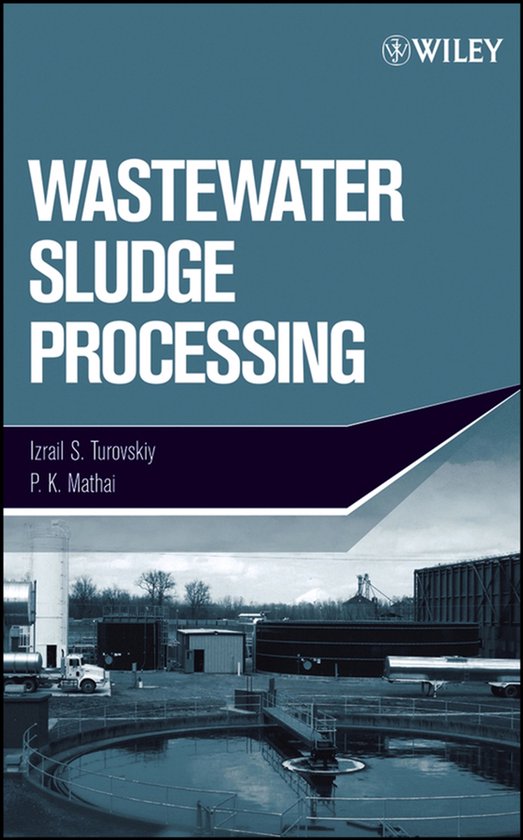
Wastewater Sludge Processing
Izrail S. Turovskiy
- 28 juli 2006
- 9780471700548
Samenvatting:
Reap the benefits of sludge The processing of wastewater sludge for use or disposal has been a continuing challenge for municipal agencies. Yet, whensludge is properly processed, the resulting nutrient-rich product--biosolids--can be a valuable resource for agriculture and other uses.
Reap the benefits of sludge
The processing of wastewater sludge for use or disposal has been a continuing challenge for municipal agencies. Yet, whensludge is properly processed, the resulting nutrient-rich product—biosolids—can be a valuable resource for agriculture and other uses. Wastewater Sludge Processing brings together a wide body of knowledge from the field to examine how to effectively process sludge to reap its benefits, yet protect public health.
Presented in a format useful as both a reference for practicing environmental engineers and a textbook for graduatestudents, this book discusses unit operations used for processing sludge and the available methods for final disposition of the processed product. Topics discussed include sludge quantities and characteristics, thickening and dewatering, aerobicand anaerobic digestion, alkaline stabilization, composting, thermal drying and incineration, energy consumption, and the beneficial use of biosolids.
COMPREHENSIVE IN ITS COVERAGE, THE TEXT:
- Describes new and emerging technologies as well as international methods
- Compares different types of sludge processing methods
- Explains both municipal and industrial treatment technologies
Written by authors with decades of experience in the field, Wastewater Sludge Processing is an invaluable tool for anyone planning, designing, and implementing municipal wastewater sludge management projects.
Reap the benefits of sludge
The processing of wastewater sludge for use or disposal has been a continuing challenge for municipal agencies. Yet, whensludge is properly processed, the resulting nutrient-rich product--biosolids--can be a valuable resource for agriculture and other uses. Wastewater Sludge Processing brings together a wide body of knowledge from the field to examine how to effectively process sludge to reap its benefits, yet protect public health.
Presented in a format useful as both a reference for practicing environmental engineers and a textbook for graduatestudents, this book discusses unit operations used for processing sludge and the available methods for final disposition of the processed product. Topics discussed include sludge quantities and characteristics, thickening and dewatering, aerobicand anaerobic digestion, alkaline stabilization, composting, thermal drying and incineration, energy consumption, and the beneficial use of biosolids.
COMPREHENSIVE IN ITS COVERAGE, THE TEXT:
* Describes new and emerging technologies as well as international methods
* Compares different types of sludge processing methods
* Explains both municipal and industrial treatment technologies
Written by authors with decades of experience in the field, Wastewater Sludge Processing is an invaluable tool for anyone planning, designing, and implementing municipal wastewater sludge management projects.