
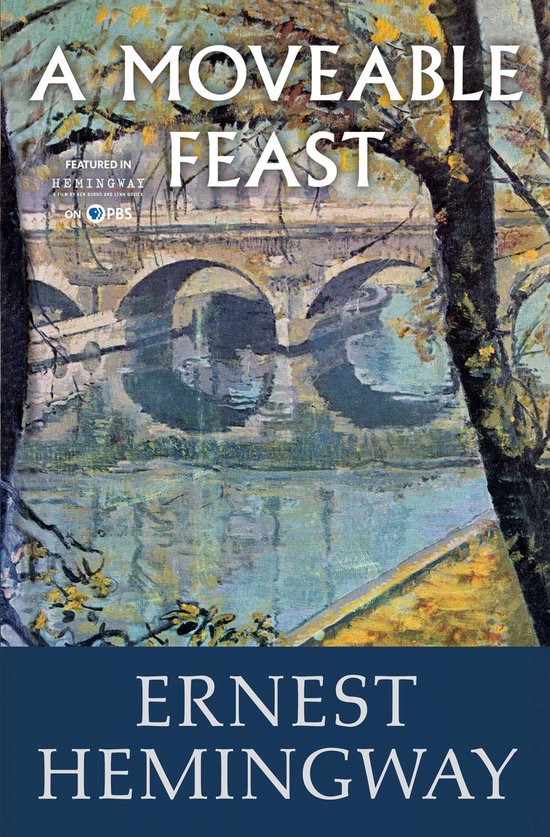
A Moveable Feast
Ernest Hemingway
- 29 mei 1996
- 9780684824994
Samenvatting:
"If you are lucky enough to have lived in Paris as a young man, then wherever you go for the rest of your life, it stays with you, for Paris is a moveable feast." These words from Ernest Hemingway capture the essence of A Moveable Feast, his memoir of 1920s Paris.
This posthumously published book offers a deeply personal glimpse into Hemingway’s early years as a struggling writer, his encounters with literary greats like F. Scott Fitzgerald and Gertrude Stein, and the bohemian spirit of expatriate life. With vivid storytelling and Hemingway’s signature concise style, this literary memoir transports readers to a world of café-lined streets, passionate artistic discussions, and the relentless pursuit of literary greatness. More than just a book, it is a historical account of the Lost Generation writers who defined an era and left an enduring mark on classic literature.
"This book captures the essence of Hemingway’s early struggles and triumphs with an honesty that makes it one of the most significant literary memoirs of the 20th century." — The Guardian
For fans of:
- Classic literature and memoirs that provide an inside look into the lives of famous authors; The Lost Generation writers, including Hemingway, Fitzgerald, and Stein;
- 1920s Paris, and historical nonfiction capturing a transformative literary era;
- Iconic literary figures and their personal struggles, triumphs, and creative influences;
- Hemingway’s books, including The Sun Also Rises, The Old Man and the Sea, and For Whom the Bell Tolls
By blending personal reflection with rich historical detail, A Moveable Feast remains an essential read for literature lovers, aspiring writers, and anyone captivated by the golden age of Parisian intellectual life.
This book is...
…an authentic memoir of the lost generation: experience the literary and artistic culture of 1920s Paris through the eyes of one of its most celebrated expatriate writers;
…intimate and unfiltered: a raw and personal look at Hemingway’s struggles, friendships, and inspirations during his early career;
…filled with famous literary figures: features insightful and sometimes controversial portraits of F. Scott Fitzgerald, Ezra Pound, and Gertrude Stein;
…a literary time capsule: a must-read for anyone fascinated by Hemingway’s biography, classic literature, and the legendary literary circles of Paris.
"A Moveable Feast is not just a memoir, but a love letter to a city and an era. Hemingway’s recollections sparkle with wit, nostalgia, and the distinctive brevity of his prose." — The New York Times