
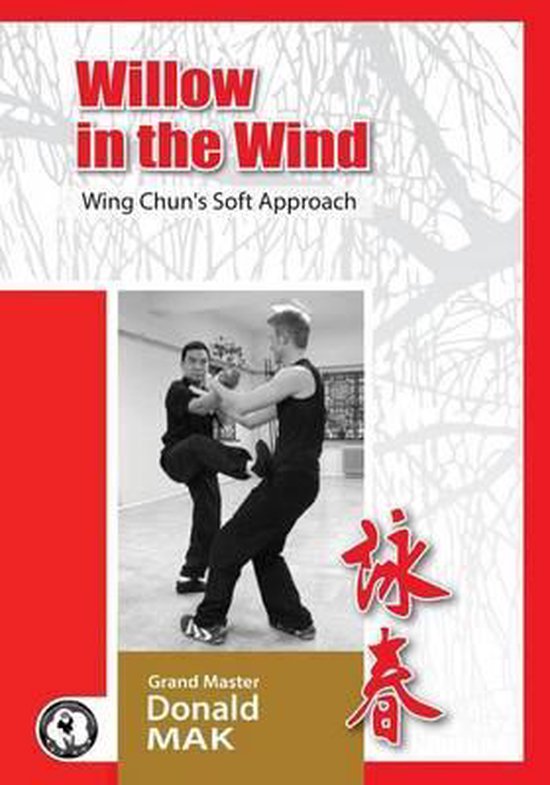
Willow in the Wind
Valeriu Secareanu
- 01 februari 2016
- 9781523994960
Samenvatting:
The southern Chinese martial art of Wing Chun is known for its fast and aggressive attacks, such as chain punches to the head or finger thrusts to the eyes, but its best fighters are those who have mastered its more advanced, “softer” elements -- the ability to use structure and footwork to absorb, neutralize, and dissolve an opponent’s attack before counter-striking.In Willow in the Wind, Sifu Donald Mak explains the benefits and efectivenessof Wing Chun’s soft approach. A senior student of Master Chow Tze-chuen, oneof Grandmaster Yip Man’s most devoted elder disciples, he has been teachingand practicing Wing Chun for almost 40 years both in Hong Kong and aroundthe world. Sifu Mak is also the founder and Chairman of the International WingChun Organization (IWCO), which has over 100 aliated schools in 16 countriesaround the world.One aspect of Wing Chun’s soft approach that is often underestimated, orsimply not taught, is the role of footwork, together with Wing Chun’s“shadowless kick.” Willow in the Wind devotes two entire chapters to theseunique aspects of Wing Chun, teachings that also mark an important return toits fighting origins. Grandmaster Yip Man was known to have trained just ashard on his footwork and kicking as he did on his hand fighting.