
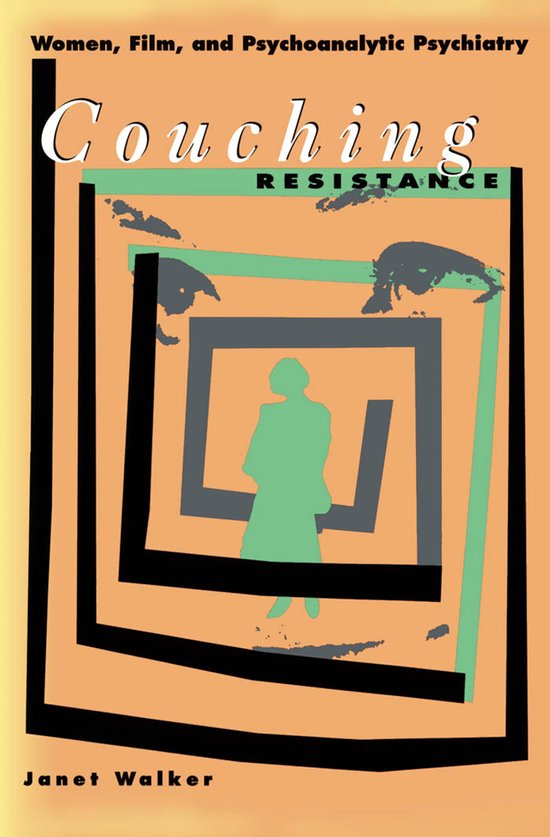
Couching Resistance
Janet Walker
- 15 februari 1993
- 9780816622337
Samenvatting:
Explores how American psychoanalytic psychiatry and Hollywood cinema between World War II and the mid-1960s negotiated women's psychosexuality and life experience.
In Couching Resistance, Janet Walker examines professional and popular literature published between World War II and the mid-1960’s to develop a picture of psychiatry’s ambivalent response to women patients. This ambivalence, Walker argues, is also evident in the profusion of Hollywood films form the same period on the subject of psychiatry and women. Even though in many cases men and women made up an equal number of patients, medical and fictional psychiatry often relied on the adjustment of “deviant” women in order to present their respective solutions.
Walker reveals a self-critical strain in psychiatry that attacked the profession’s authoritarianism. Over the time period in question she sees an increasing willingness on the part of Hollywood cinema to deal with volatile issues, including childhood sexual trauma and the social origins of female mental illness. These issues were coming up, Walker says, in the emergent feminist critique of conformist psychiatry. Walker brilliantly explores how psychoanalytic psychiatry and Hollywood cinema negotiated women’s psychosexuality and life experience during the mid-twentieth century. Ultimately, her reading of films including The Snake Pit, The Three Faces of Eve, Lilith, and Freud, in conjunction with such cultural representations as marriage manuals, pharmaceutical ads, and letters from psychiatrists to motion-picture personnel, responds to the challenge to understand film in its wider cultural context.