
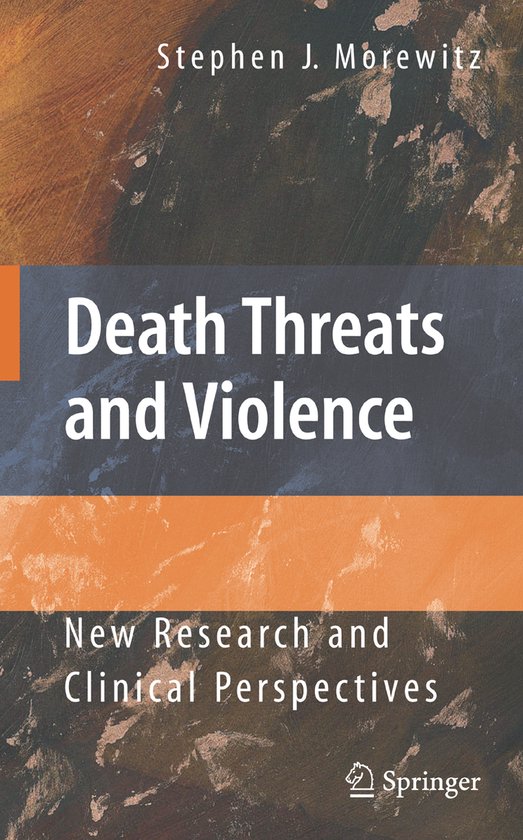
Death Threats And Violence
Stephen J. Morewitz
- 29 oktober 2010
- 9781441926319
Samenvatting:
Publicized workplace-related death threats and shootings, such as the 21 separate incidents since 1986 in which U.S. Postal Service employees were shot, and the death threats and attacks directed at schools and universities have helped to transform death threats from a private phenomenon into a social problem.
Threats of violence—and especially of homicide—are a too-familiar part of modern life, paralleling stressful conditions at home, on the job, on campus, and in relationships. Death Threats and Violence analyzes the meaning and impact of homicidal threats, the means by which they are communicated, and their development from infrequent private occurrence to ongoing social problem. Using data from the Stalking and Violence Project and recent events including the Virginia Tech massacre, Stephen Morewitz explores the lives of the men (and to a lesser degree, women) who make threats against their partners, strangers, social groups, and institutions. By balancing individual variables against the larger context of social norms and controls, this book offers a well-rounded assessment of death threats and their role in domestic and public violence.
Among the topics included:
- Personal and societal risk factors of threat makers and their victims.
-
- Possible links between stalking, death threats, and homicide.
-
- The enabling functions of substance abuse and access to weapons.
-
- Risk factors for partner-, school- and workplace-related death threats.
-
- Psychological and social effects of death threats on victims and their families.
-
- Law enforcement and legal system responses to death threats, particularly in comparison with offenders who do not make them.
-
- Death threats as used in hate crimes, terrorism, and war.
Death Threats and Violence is an up-to-the-minute work of particular interest to general and forensic psychologists, clinical social workers, criminal justice and health professionals and those studying the current social climate in which such threats are prevalent.