
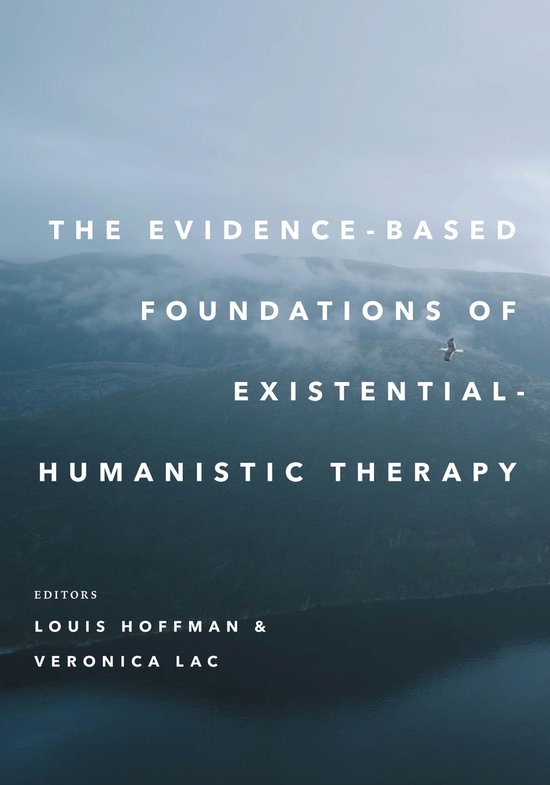
The Evidence-Based Foundations of Existential–Humanistic T ...
Louis Hoffman
- 30 juni 2025
- 9781433842924
Samenvatting:
Merging evidence-based practice with existential-humanistic therapy, this volume grounds core competencies in research, clinical insight, and client needs. Key principles such as therapeutic presence, empathy, authenticity, and here-and-now work are explored alongside innovative techniques including mindfulness, art, and equine-assisted therapies.
This comprehensive volume aligns existential-humanistic therapy (EHT) with the standards of evidence-based practice in psychology (EBPP).
It provides a solid empirical foundation for EHT as a therapeutic modality, while also demonstrating how it can serve as an integrative approach. The book identifies evidence for primary existential competencies and best practices, as well as multicultural considerations for prioritizing an individual client-s needs.
In each chapter, expert psychologists detail a key principle of EHT, including therapeutic presence, empathy, working with emotions, authenticity, therapist self-disclosure, here-and-now work, and the self within the therapeutic context. Integrative strategies including mindfulness, art therapy, experiential therapy, and equine-assisted therapy demonstrate the effectiveness of these foundational elements, when combined into a single approach.
Contributors draw on three pillars of EBPP-research evidence, clinical experience, and client characteristics-to demonstrate how EHT can be just as effective as other evidence-based approaches, if not more so in some contexts.