
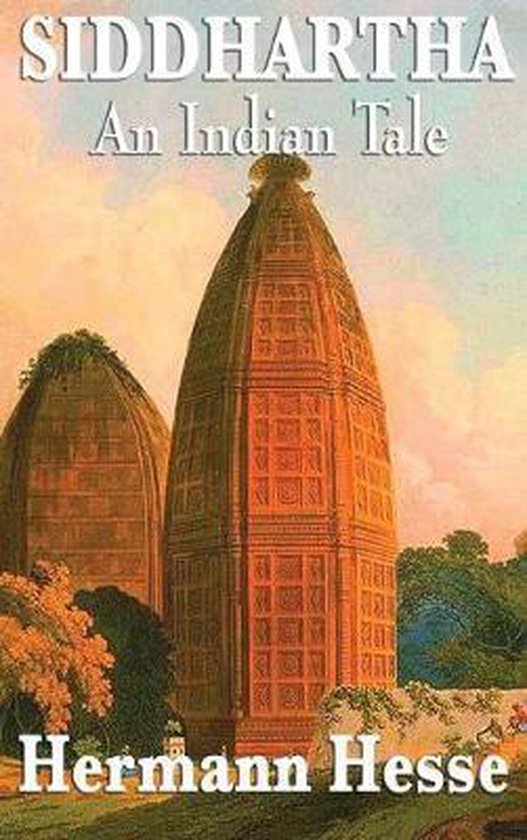
Siddhartha
Hermann Hesse
- 03 april 2018
- 9781515434559
Samenvatting:
A concise philosophical novel tracing a solitary search for meaning, knowledge, and inner unity. In Siddhartha, Hermann Hesse follows the journey of a young man who turns away from formal teaching and inherited belief in order to pursue direct understanding through experience. Moving through stages of discipline, asceticism, desire, and renunciation, Siddhartha seeks not doctrine but insight-an understanding that must be lived rather than taught.The novel unfolds as a sequence of encounters and transformations, each testing the limits of intellectual knowledge and spiritual ambition. Hesse draws on elements of Indian religious and philosophical tradition while shaping a distinctly modern narrative concerned with individuality, self-realisation, and the reconciliation of opposites. The prose remains controlled and deliberate, allowing reflection to emerge through image and pattern rather than argument.Positioned at the intersection of literature and philosophy, Siddhartha continues to be widely read as a work of contemplative fiction. It offers a sustained meditation on the nature of identity, time, and understanding, and remains central to discussions of spiritual and philosophical literature in the twentieth century.