
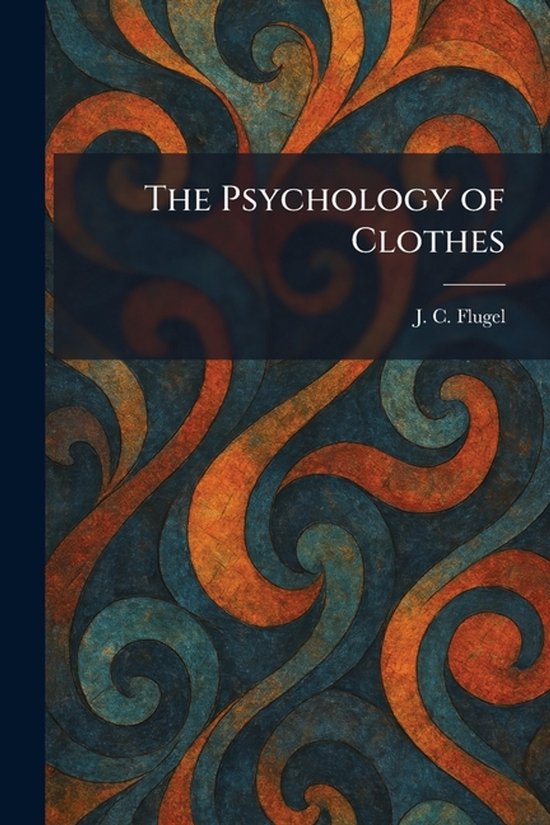
The Psychology of Clothes
J C Flugel
- 14 februari 2026
- 9781025936819
Samenvatting:
"The Psychology of Clothes" is a seminal exploration into the intricate relationship between human behavior and the garments we wear. Written by the distinguished psychologist J.C. Flugel, this work delves into the fundamental motivations behind clothing, examining how dress serves as a complex tool for both individual expression and social cohesion. Flugel identifies three primary functions of clothing-decoration, modesty, and protection-and analyzes how these often-conflicting impulses shape fashion trends and personal style.Throughout the book, the author applies psychoanalytic principles to understand the symbolic power of attire. From the concept of the "Great Masculine Renunciation" to the ways in which clothing reflects social status and sexual identity, the text offers profound insights into the unconscious forces that drive our sartorial choices. By bridging the gap between sociology and psychology, "The Psychology of Clothes" remains an essential study for anyone interested in the cultural history of fashion, the development of social norms, and the profound psychological impact of our second skin.This work has been selected by scholars as being culturally important, and is part of the knowledge base of civilization as we know it. This work was reproduced from the original artifact, and remains as true to the original work as possible. Therefore, you may see the original copyright references, library stamps (as most of these works have been housed in our most important libraries around the world), and other notations in the work.This work is in the public domain in the United States of America, and possibly other nations. Within the United States, you may freely copy and distribute this work, as no entity (individual or corporate) has a copyright on the body of the work.As a reproduction of a historical artifact, this work may contain missing or blurred pages, poor pictures, errant marks, etc. Scholars believe, and we concur, that this work is important enough to be preserved, reproduced, and made generally available to the public. We appreciate your support of the preservation process, and thank you for being an important part of keeping this knowledge alive and relevant.