
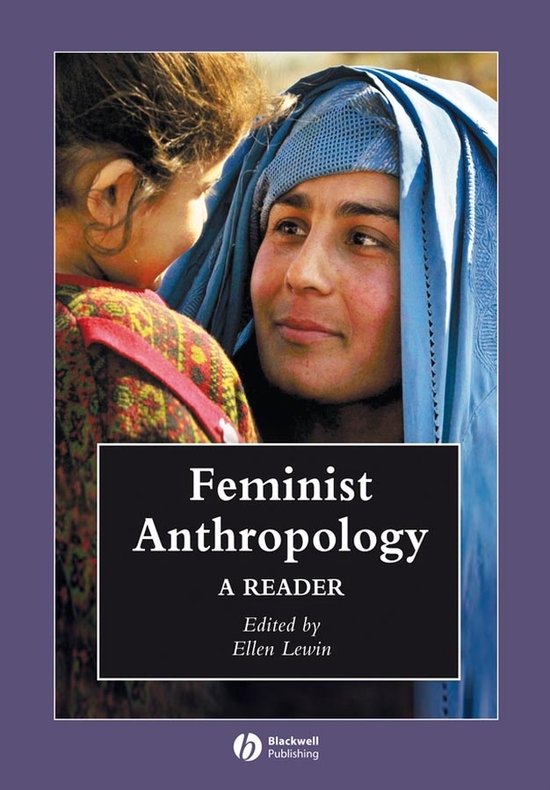
Feminist Anthropology
Lewin
- 13 december 2005
- 9781405101967
Samenvatting:
Feminist Anthropology surveys the history of feminist anthropology and offers students and scholars a fascinating collection of both classic and contemporary articles, grouped to highlight key themes from the past and present. * Offers vibrant examples of feminist ethnographic work rather than synthetic overviews of the field.
This volume surveys the history of feminist anthropology, a field that was inspired by the women's movement of the late 1960s and has since emerged at the forefront of efforts to make anthropology more responsive to the concerns of disempowered people around the globe. The field has moved from a central concern with women as an unproblematic focus to the study of gender as an analytical construct.
Feminist Anthropology offers students and scholars a fascinating collection of both classic and contemporary articles, grouped to highlight key themes from the past and present. Avoiding synthetic overviews, this volume offers vibrant examples of feminist ethnographic work. The thoughtful introduction to the volume provides context and discusses the intellectual "foremothers" of the field, including Margaret Mead, Ruth Landes, Phyllis Kaberry, and Zora Neale Hurston. Comprised of five sections, each framed by a theoretical and bibliographic essay, this reader focuses on the ways that feminist anthropology gave rise to important new concepts in anthropology.
Feminist Anthropology surveys the history of feminist anthropology and offers students and scholars a fascinating collection of both classic and contemporary articles, grouped to highlight key themes from the past and present.
- Offers vibrant examples of feminist ethnographic work rather than synthetic overviews of the field.
- Each section is framed by a theoretical and bibliographic essay.
- Includes a thoughtful introduction to the volume that provides context and discusses the intellectual "foremothers" of the field, including Margaret Mead, Ruth Landes, Phyllis Kaberry, and Zora Neale Hurston.