
Drilling Down
Joseph A. Tainter
- 16 september 2011
- 9781441976765
Samenvatting:
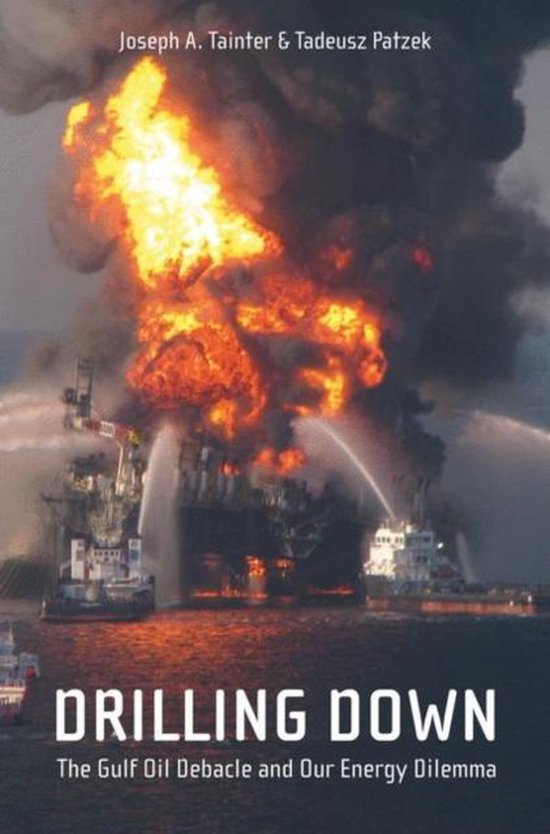
The more energy we have and the more problems our societies confront, the more we grow complex and require still more energy. How did our demand for energy, our technological prowess, the resulting need for complex problem solving, and the end of easy oil conspire to make the Deepwater Horizon oil spill increasingly likely, if not inevitable?
For more than a century, oil has been the engine of growth for a society that delivers an unprecedented standard of living to many. We now take for granted that economic growth is good, necessary, and even inevitable, but also feel a sense of unease about the simultaneous growth of complexity in the processes and institutions that generate and manage that growth. As societies grow more complex through the bounty of cheap energy, they also confront problems that seem to increase in number and severity. In this era of fossil fuels, cheap energy and increasing complexity have been in a mutually-reinforcing spiral. The more energy we have and the more problems our societies confront, the more we grow complex and require still more energy. How did our demand for energy, our technological prowess, the resulting need for complex problem solving, and the end of easy oil conspire to make the Deepwater Horizon oil spill increasingly likely, if not inevitable? This book explains the real causal factors leading up to the worst environmental catastrophe in U.S. history, a disaster from which it will take decades to recover.
A world expert on oil technology and one of our foremost social commentators, the author of “The Collapse of Complex Societies,” join forces to:
- Lead you on a fascinating tour from the events on the Deepwater Horizon to the processes in society that made the tragedy nearly inevitable
- Explain the energy-complexity spiral that governs our way of life
- Take you beyond the headlines, finger pointing, and political punditry to the underlying causes of the Gulf catastrophe
- Help decision-makers from all walks of life to understand the risks and challenges of managing complex organizations
- Discuss energy options for the future
Praise for Drilling Down:
In this book, Joseph Tainter and Tadeusz Patzek use the Gulf oil spill as a point of entry to discussour energy future. For those of us who watched the oil spill from afar, this book provides the technical background to help us understand it, something that was never available from the media. For those like me, who are interested in the role of energy in the rise and fall of civilizations, this is a must read.
--Lester R. Brown, President of Earth Policy Institute and author of World on the Edge
For more than a century, oil has been the engine of growth for a society that delivers an unprecedented standard of living to many. We now take for granted that economic growth is good, necessary, and even inevitable, but also feel a sense of unease about the simultaneous growth of complexity in the processes and institutions that generate and manage that growth. As societies grow more complex through the bounty of cheap energy, they also confront problems that seem to increase in number and severity. In this era of fossil fuels, cheap energy and increasing complexity have been in a mutually-reinforcing spiral. The more energy we have and the more problems our societies confront, the more we grow complex and require still more energy. How did our demand for energy, our technological prowess, the resulting need for complex problem solving, and the end of easy oil conspire to make the Deepwater Horizon oil spill increasingly likely, if not inevitable? This book explains the real causal factors leading up to the worst environmental catastrophe in U.S. history, a disaster from which it will take decades to recover.