
The City of the Sun
T Campanella
- 29 januari 2009
- 9781604596267
Samenvatting:
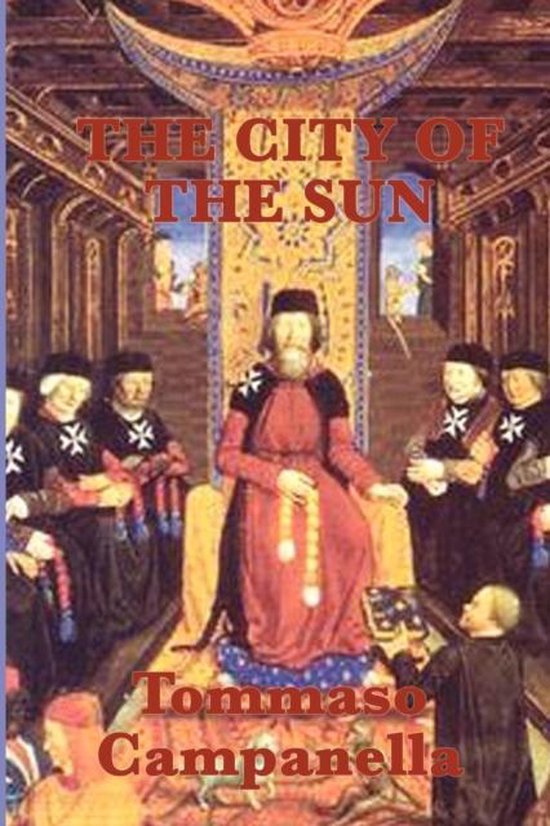
A seventeenth-century philosophical dialogue presenting an ideal commonwealth ordered by reason, knowledge, and collective life. In The City of the Sun, Tommaso Campanella outlines a vision of a society structured according to principles of shared property, rational governance, and the systematic cultivation of knowledge. Written in 1602 and cast as a dialogue between a traveller and a Knight Hospitaller, the work describes a city in which education, labour, and social organisation are integrated into a unified conception of the good.Campanella's account reflects both Renaissance humanism and the intellectual currents of early modern Europe, drawing upon classical philosophy, Christian theology, and contemporary scientific thought. The city itself is arranged symbolically, with its walls bearing representations of all branches of knowledge, suggesting an environment in which learning is continuous and publicly shared. Authority is vested in a priestly-philosophical leadership, combining spiritual and temporal functions within a single ordered system.Often read alongside other early utopian works, The City of the Sun offers a distinctive contribution through its emphasis on intellectual structure and communal life, presenting a model that is at once speculative and systematic. Its influence extends across discussions of political philosophy, social organisation, and the history of utopian thought.