
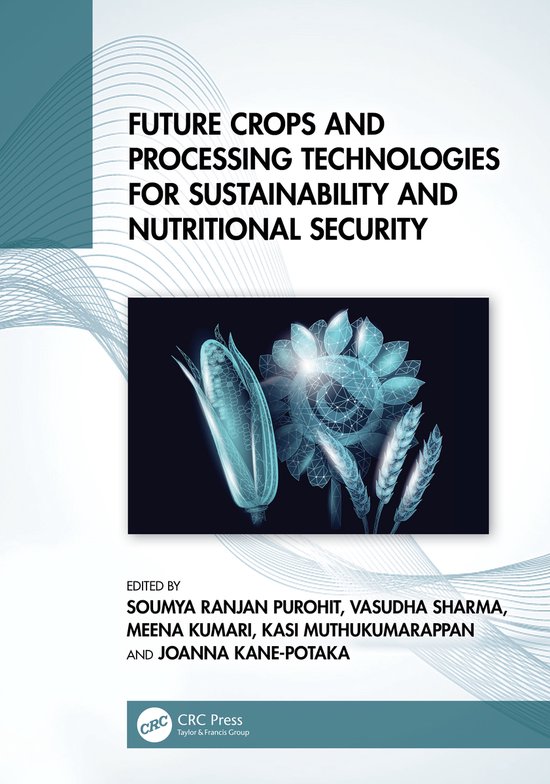
Future Crops and Processing Technologies for Sustainability ...
Soumya Ranjan Purohit
- 06 september 2024
- 9781032248004
Samenvatting:
Taking a two-track approach, this book presents sustainable technologies and emerging crops that are capable of ensuring nutritional security. The use of novel technologies like, 3D printing, novel drying method, high pressure processing, high voltage treatments and proper combination of conventional methods are addressed.
Our current food system faces challenges across the board – from ensuring food security and reducing environmental impact to managing costs and minimizing waste. Fortunately, cutting-edge food processing technologies play a critical role in paving the way for a more sustainable future. Taking a two-track approach, Future Crops and Processing Technologies for Sustainability and Nutritional Security presents sustainable technologies and emerging crops that are capable of ensuring nutritional security. There are various crops that are nutritious but under-utilized. Crops covered in the book are those that are climate resilient and exhibit less use of water and zero discharge to environment, such as millets and legumes like chickpea, groundnuts, and pigeon pea.
KEY FEATURES:
- Provides a comprehensive literature review on the opportunities and challenges in achieving sustainability and nutritional security
- Presents compatible, relevant crops to address both sustainability and nutritional security
- Discusses the emerging technologies/crops/food products to justify sustainability and potential to ensure nutritional security
This book also provides information on all aspects related to the processing and use of sustainable technologies and crops. The use of technologies like 3D printing, novel drying method, high pressure processing, high-voltage treatments, and the proper combination of conventional methods are addressed.