
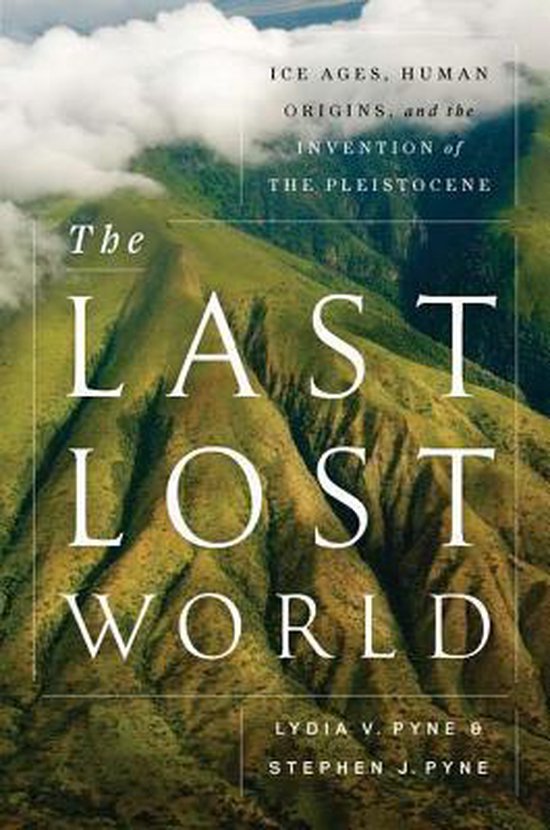
The Last Lost World
Lydia V Pyne
- 14 juni 2012
- 9780670023639
Samenvatting:
An enlightening investigation of the Pleistocene s dual character as a geologic time and as a cultural ideaThe Pleistocene is the epoch of geologic time closest to our own. It s a time of ice ages, global migrations, and mass extinctions of woolly rhinos, mammoths, giant ground sloths, and not least early species of Homo. It s the world that created ours.But outside that environmental story there exists a parallel narrative that describes how our ideas about the Pleistocene have emerged. This story explains the place of the Pleistocene in shaping intellectual culture, and the role of a rapidly evolving culture in creating the idea of the Pleistocene and in establishing its dimensions. This second story addresses how the epoch, its Earth-shaping events, and its creatures, both those that survived and those that disappeared, helped kindle new sciences and a new origins story as the sciences split from the humanities as a way of looking at the past.Ultimately, it is the story of how the dominant creature to emerge from the frost-and-fire world of the Pleistocene came to understand its place in the scheme of things. A remarkable synthesis of science and history, The Last Lost World describes the world that made our modern one.